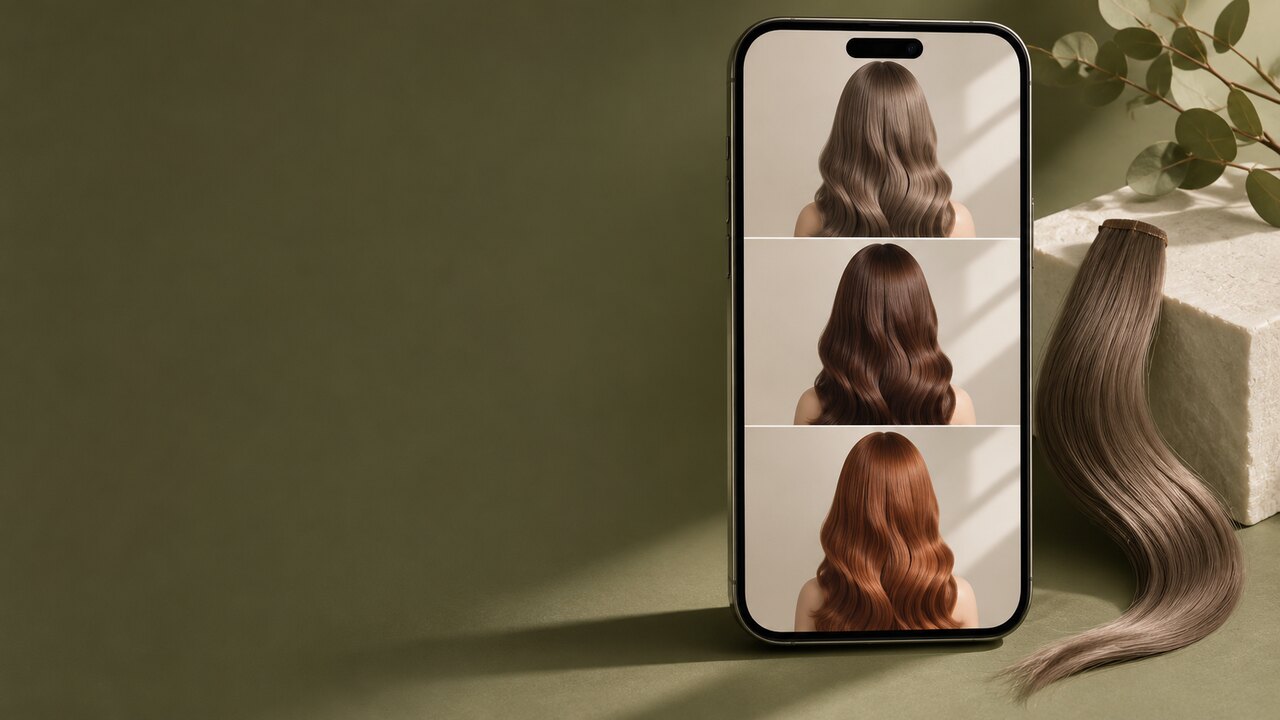
How to Design Hair Color Listing Images for Mobile Shade Selection
Plan hair color listing images for mobile shoppers with readable shade names, aligned swatches and product-option checks.
Read more →Haircare insights, product applications and OEM/ODM sourcing
Plan hair color listing images for mobile shoppers with readable shade names, aligned swatches and product-option checks.
Read more →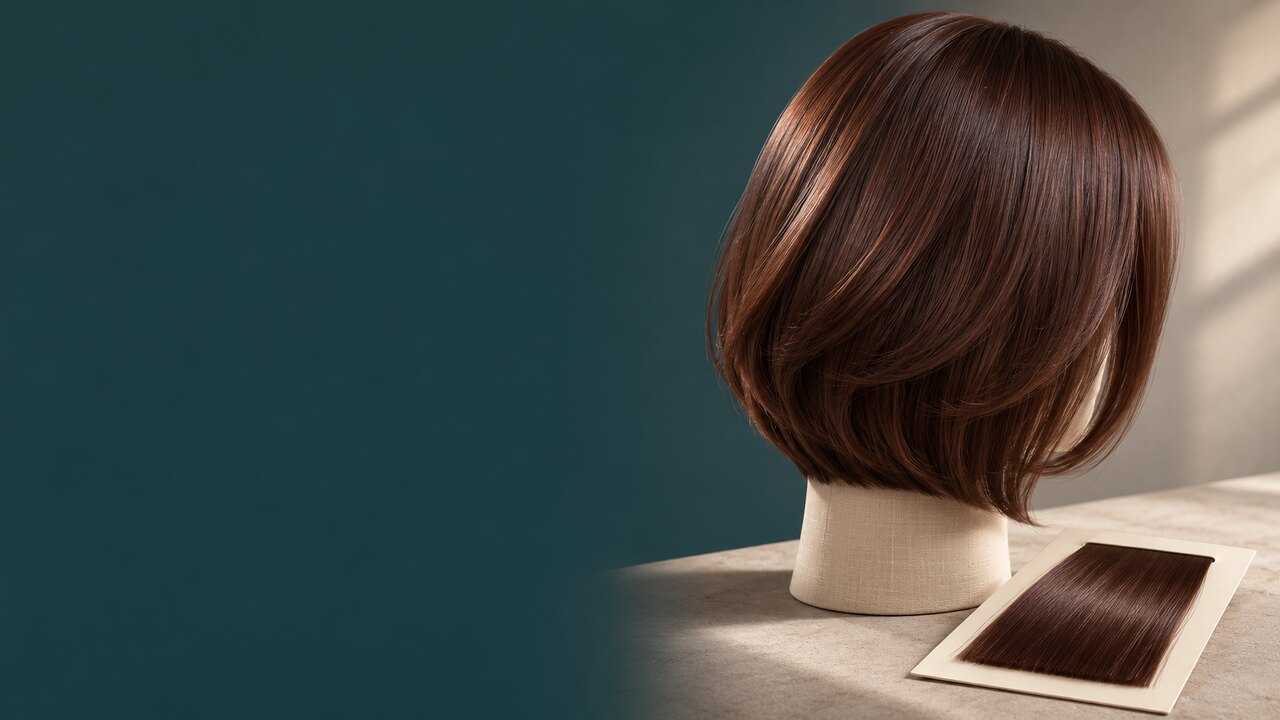
Use a model photo to show the hairstyle and a swatch to compare shades. Check the hair dye box artwork at actual pack size.
Read more →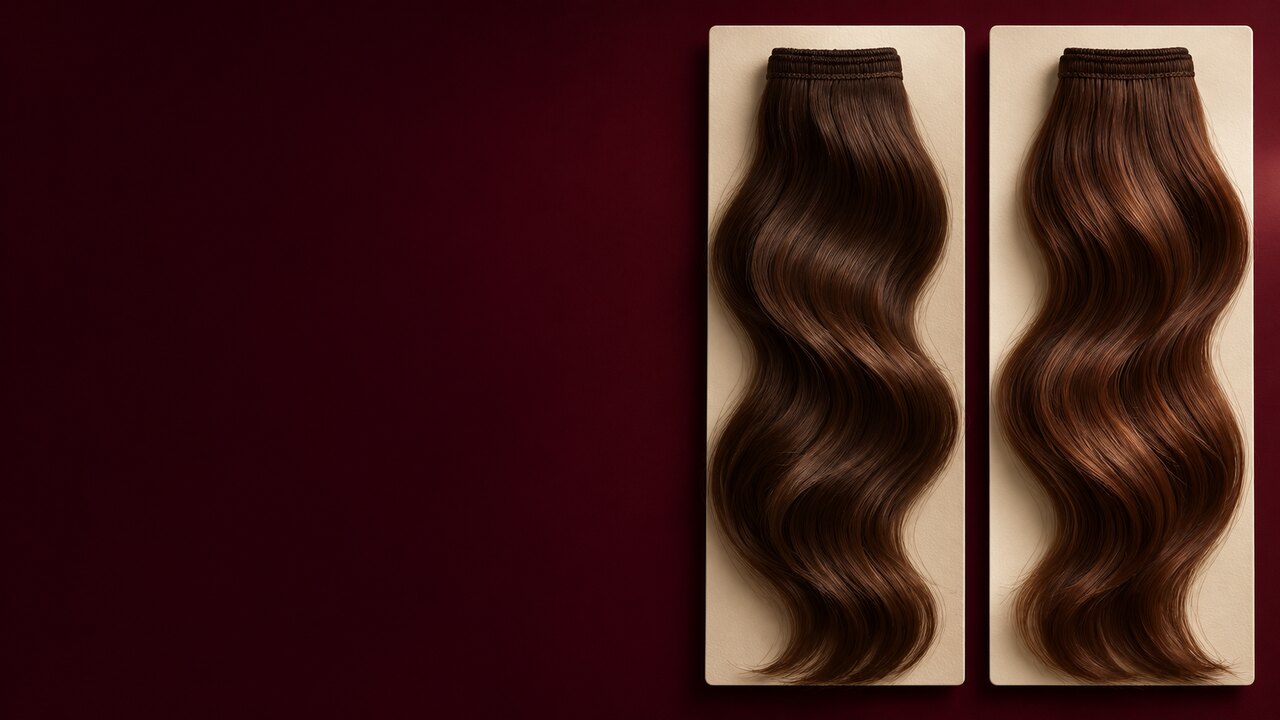
Compare your first hair color batch with the approved swatch by checking the shade code, starting base, depth, tone and lot number.
Read more →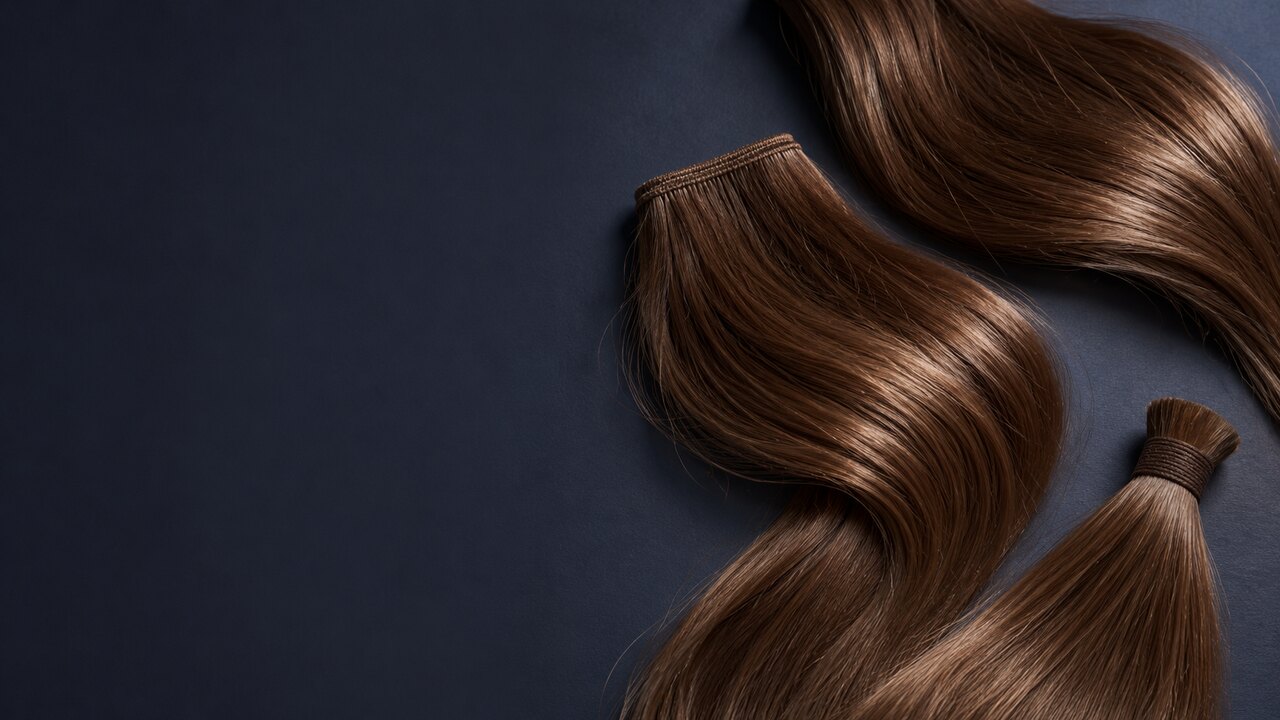
Compare brown hair color samples by recording starting depth, color history and the section of hair that matters most.
Read more →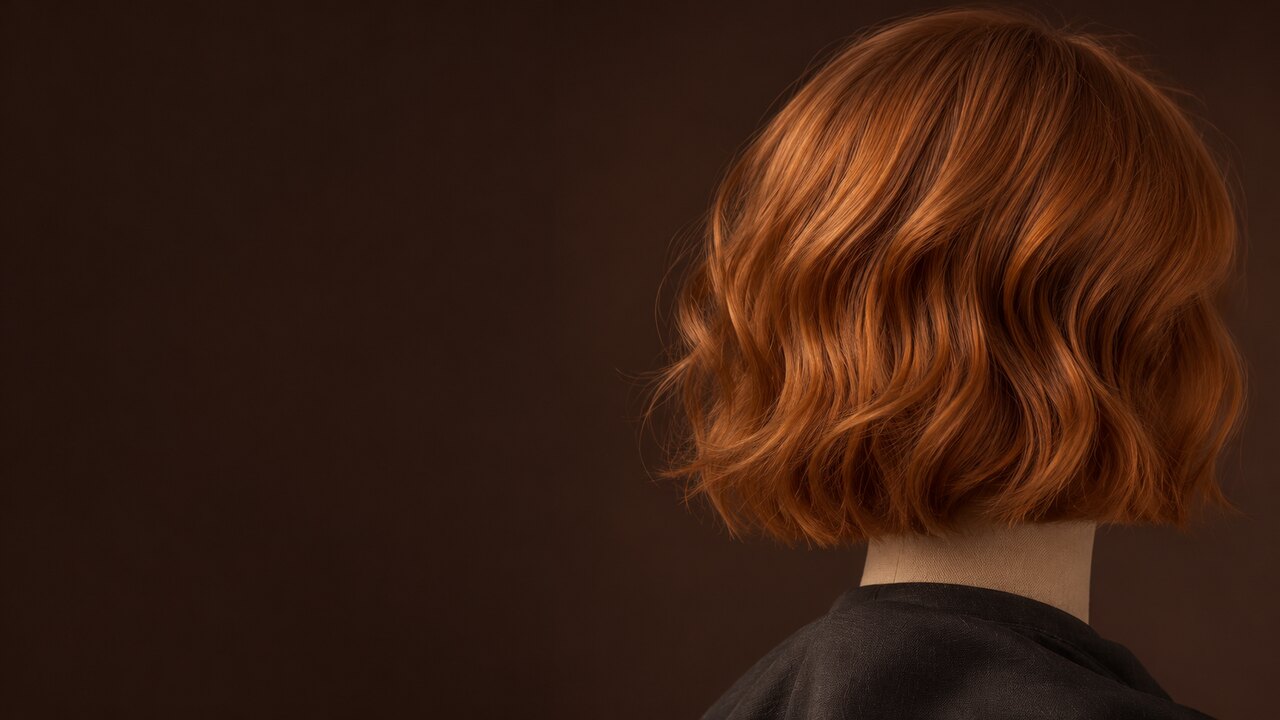
Compare copper, auburn and burgundy hair color, then specify depth, undertone and starting hair base in a sampling brief.
Read more →
See why brown hair reads differently in daylight and warm indoor light, and take two comparable colour references.
Read more →
Choose a brunette hair color reference by looking at depth, tone and the intended haircut in daylight.
Read more →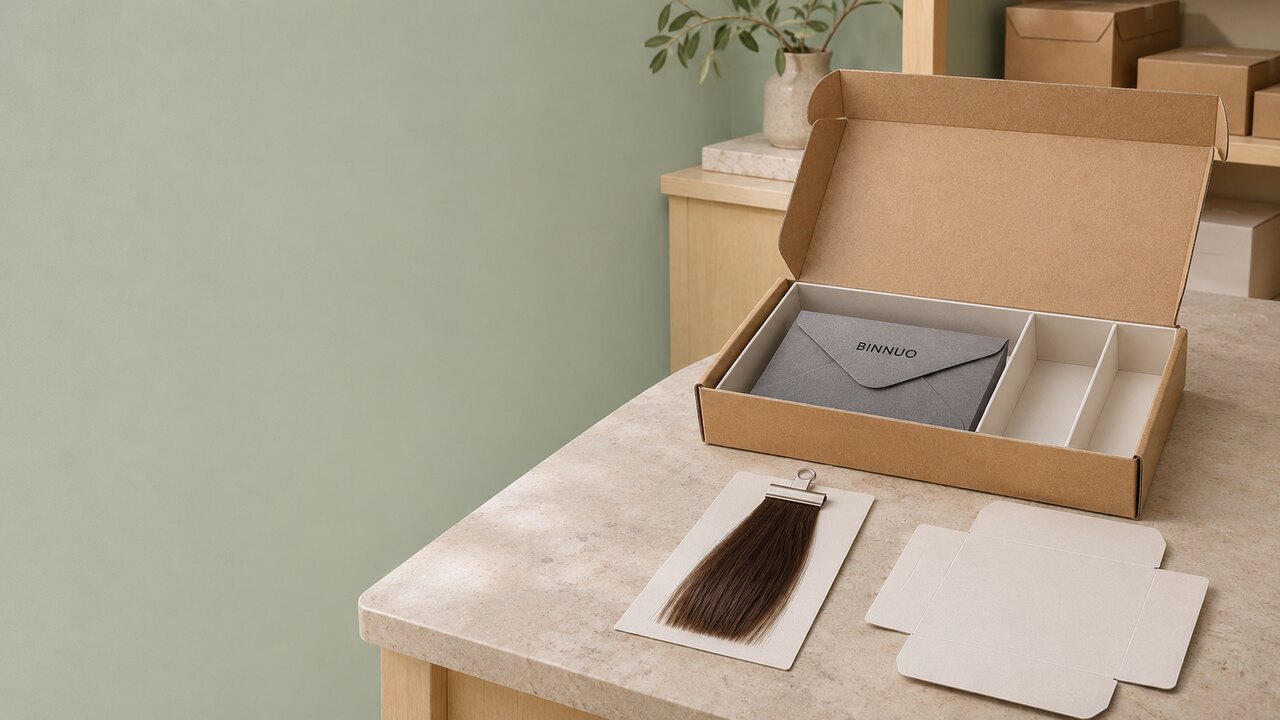
Prepare a private-label hair color RFQ with units per shade, total units, packaging specifications, and quote scope.
Read more →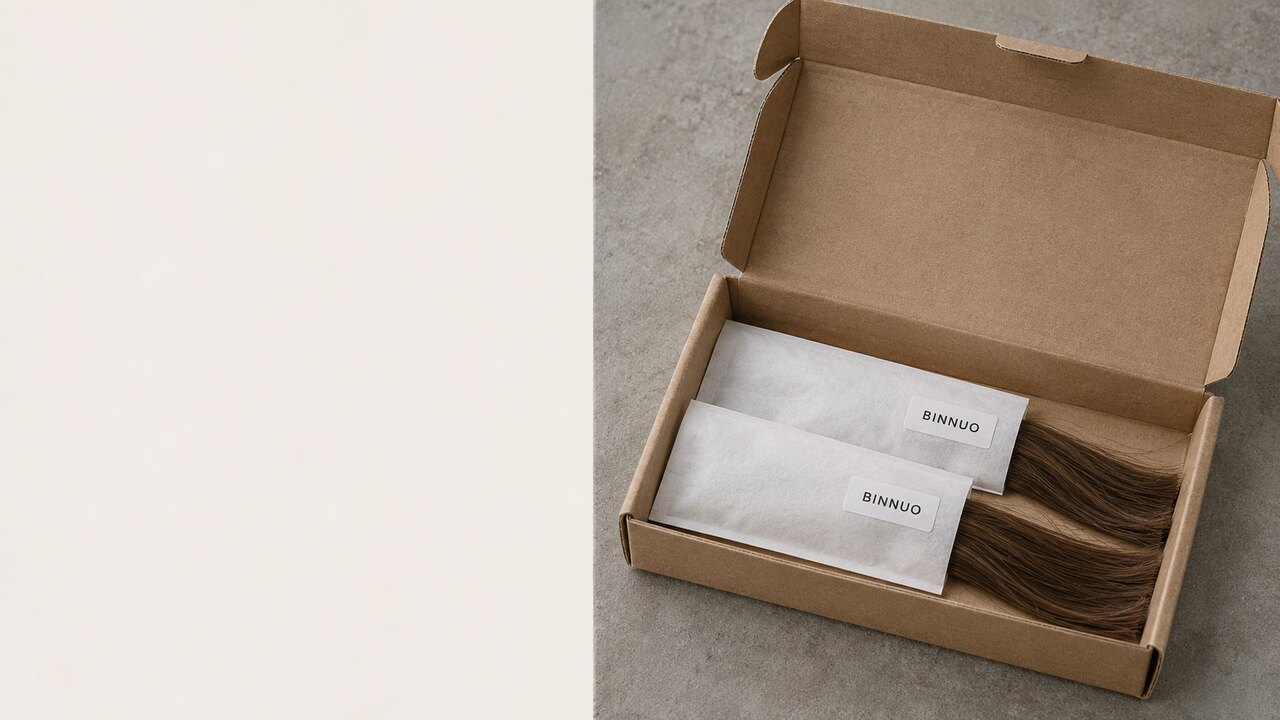
Request private-label hair color samples with a clear brief covering your market, priority shades, references, and what to evaluate.
Read more →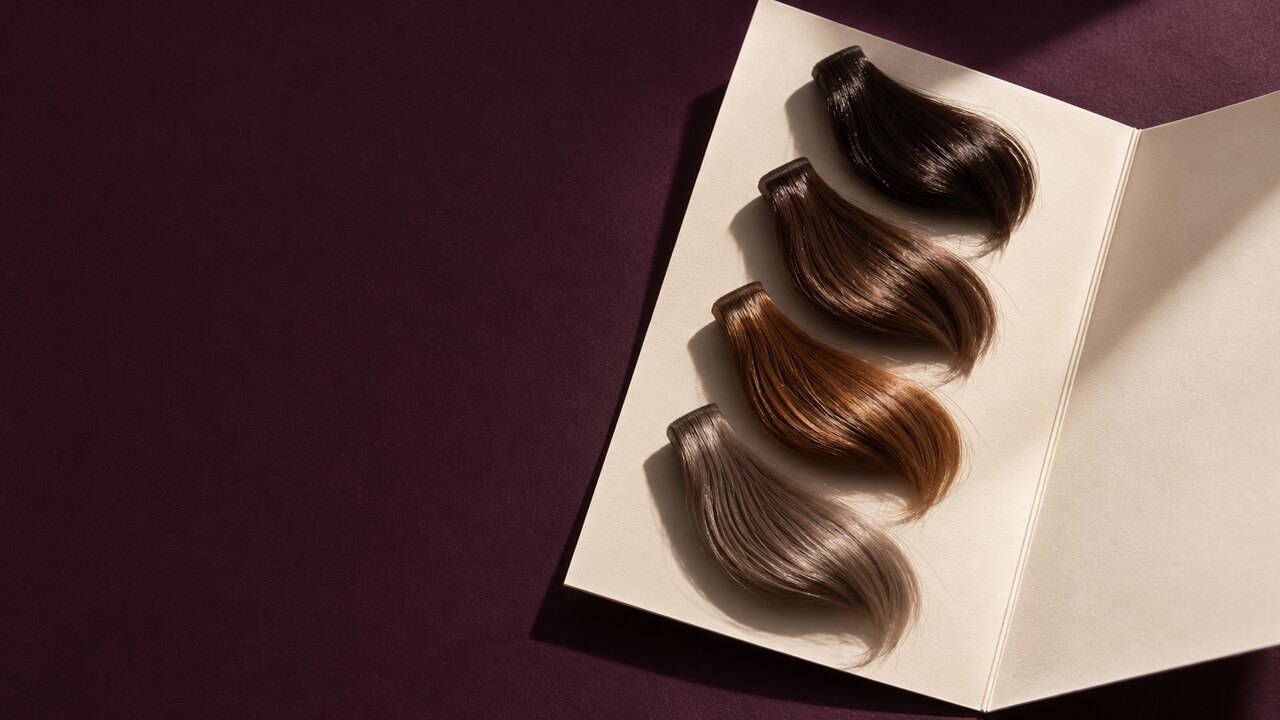
Read a professional hair color shade chart by checking the product line, chart version, depth, and tone before comparing swatches.
Read more →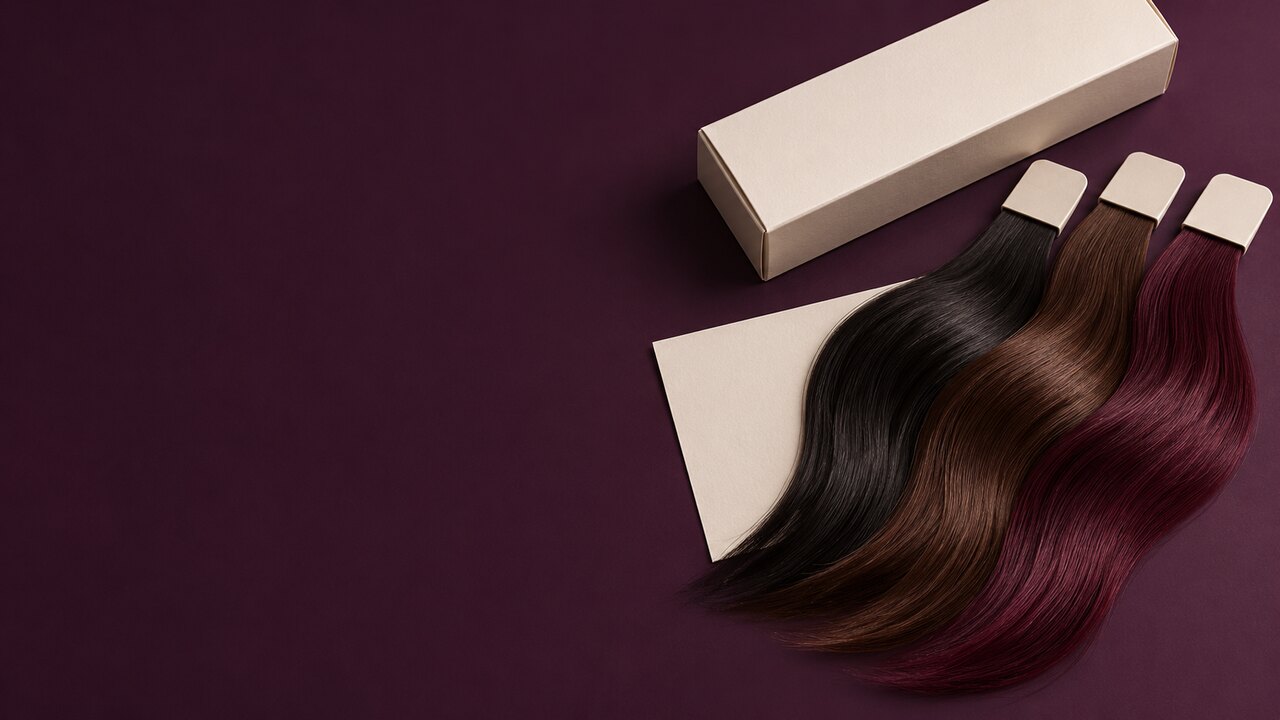
Build your first private-label hair color shade range with buyer demand, agreed shade references, and a shortlist for sampling.
Read more →